Citations Without Contracts: Auditing the URLs AI Answer Engines Send You
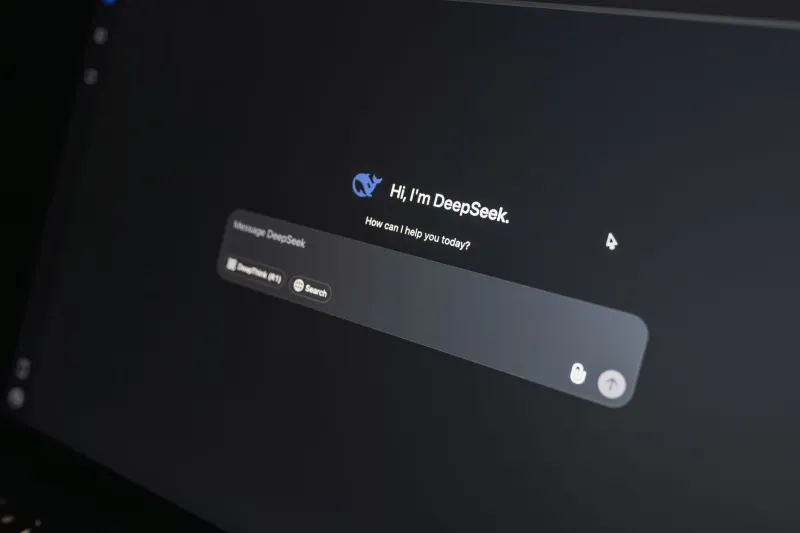
AI answer engines have changed the shape of referral traffic. A chat-style result does not merely summarize a topic; it often names a source and links to a specific URL. That citation feels authoritative to the user, which is precisely why it deserves more scrutiny than a routine backlink. The cited page may have been indexed weeks or months before the query, and the snippet may reflect a version of the page that no longer exists. For webmasters, the risk is not just a broken link. It is a broken promise delivered under someone else’s brand voice.
A citation is not a permalink
Traditional search results are generated close to the moment a user clicks. AI answer engines may assemble citations from cached content, live retrieval, or a blend of both. The destination URL is therefore a moving target. A product page can be consolidated, a guide can be redirected, a policy page can be deindexed, and the quoted paragraph can be edited away. The citation remains in the answer interface, but the user lands somewhere else.
The result is a trust gap. A visitor who arrives from an AI citation expects to find the exact fact, recommendation, or statistic that prompted the link. If the page now shows a homepage, a 404, or a rewritten introduction with no trace of the quoted material, the referral becomes a credibility problem. The same mismatch can also waste crawl equity, confuse analytics, and hide technical defects that would otherwise be obvious in a conventional link audit.
Build a citation inventory from referrer data
Start with observation rather than assumption. Pull referral data from analytics, server logs, and edge logs, then isolate visits from AI answer engines and chat interfaces. Depending on your stack, look for referrers associated with chat assistants, AI search products, and embedded answer panels. Some referrals arrive with the referrer stripped, so supplement log data with landing-page reports and campaign parameters where available.
Create a table with the original cited URL, the first and last time it was observed, the referring engine, the apparent topic, and any available query context. Preserve the full URL before normalization. Then create a normalized key for grouping: lowercase the host, remove fragments, and separate tracking parameters from parameters that change page content. Do not strip query strings blindly; a URL with a product variant or pagination parameter may be a different destination in practice.
This inventory should be treated as a living asset. AI citations appear and disappear as models, indexes, and answers change. A weekly review is reasonable for most sites; high-traffic publishers and e-commerce sites may need daily checks during peak periods such as the US holiday shopping season.
Verify the URL in layers
A single status check is not enough. Fetch each cited URL with redirects disabled first, then follow the chain and record every hop. Flag permanent redirects that add latency or land on a broad category page. A 301 to a relevant replacement can be acceptable; a 301 to the homepage is usually a sign that the original content was removed without a migration plan.
Next, inspect indexability. Check response headers for X-Robots-Tag: noindex, review meta robots directives, and confirm that robots.txt does not block the path. A noindexed page can still be cited if the engine retrieved it through other means, but the combination is a conflict worth resolving. If the page is meant to attract citations, it should generally be available for indexing and clearly canonicalized.
Canonical targets matter as well. If the cited URL declares a canonical pointing to a different page, the snippet may have been drawn from a noncanonical variant. Record both the cited URL and the canonical target. When they diverge, decide whether the citation should be consolidated, redirected, or left alone with an explicit reason.
Check whether the quoted content still exists
The most important layer is content verification. Extract the visible text, main article body, and structured data from the live page. Then compare the citation snippet or quoted passage against that text. Exact matching is useful for short phrases and statistics, but semantic matching is more practical for paraphrased answers. Look for key entities, numbers, product names, dates, and recommendations.
A page can return HTTP 200 and still fail this test. It may have been rewritten, shortened, or localized. It may show a cookie wall or a JavaScript-rendered shell to your audit client. Fetch as a normal browser would, and repeat the check with a plain HTTP client to catch rendering differences. If the quoted material is gone, mark the citation as a content mismatch rather than a healthy link.
Freshness deserves its own field. A cited statistic from an older report may still be accurate, but a cited price, availability claim, or policy detail may not be. Compare dates, version notes, and structured data where present. Do not assume that a recent crawl date means the content is current.
Turn findings into a maintenance queue
Classify each citation as healthy, redirected, stale, missing, blocked, or mismatched. Add severity based on observed referrals and conversion value. A dead citation on a low-traffic glossary page is a cleanup task; a redirected citation on a high-intent buying guide is an incident.
Assign owners and fixes. Restore removed passages when they were valuable. Remove unnecessary noindex directives. Replace multi-hop redirects with a single relevant destination. For permanently removed pages, consider a 410 response or a carefully chosen replacement rather than a generic redirect. Re-check the URL after the fix and keep a history of what changed.
Finally, measure the program. Track citation health rate, mismatch rate, referral volume, and conversion rate by engine. Segment by page type and campaign. The goal is not to chase every AI mention; it is to ensure that the URLs receiving citation traffic still honor the claim that earned the click. In that sense, a citation audit is a link audit with a shorter shelf life and a higher standard of proof.